Heritage with care – cultural memory for people with dementia
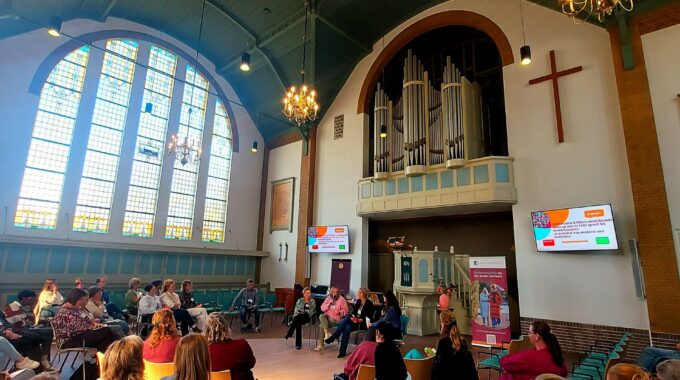
On November 19, 2025, a practical training for museum specialists on the topic “Heritage with care – cultural memory for people with dementia” was held at the Regional Ethnographic Open Air Museum “Etar” – Gabrovo. The initiative is part of the project of the same name, implemented by the Alzheimer Bulgaria Association in partnership with the museum, which aims to create more dementia-friendly and inclusive cultural spaces.
The first step was organising a training session for museum specialists, during which ABA held thematic sessions dedicated to: methods and approaches for working with vulnerable visitors; communication techniques; sensory and memory instruments; international good practices for adapting a museum environment and working with visitors with dementia in a museum environment.
Twenty-four museum specialists from five museums in Gabrovo and the surrounding area took part in the initiative. They exchanged experiences, discussed real cases, and actively participated in practical exercises, which contributed to the benefits of the training.
An anonymous survey was also conducted after the event, which showed high satisfaction with the content, organisation and applicability of the training modules, as well as indicated perceived improvement in their confidence for working with people with dementia. While the feedback from attendees was positive, they also highlighted their need for more practical exercises, examples, and lived experiences from people with dementia in order to feel better prepared.
The training at the “Etar” museum is another important step in the efforts to turn museums into spaces for understanding, care and accessibility for all visitors. The next steps within the project include the development of scenarios adapted for working with people with dementia in collaboration with the museum, which will then be tested in practice during a piloting phase. You can stay updated on the progress of the project on ABA’s website.

This project is funded by The Headley Southeast Europe Cultural Heritage Fund.